Does Hyperbaric Oxygen Therapy Fuel Tumor Growth? Multiple Clinical Studies Debunk the Myth: It Is a Valuable Adjuvant for Cancer Care
Many cancer patients and their families hold concerns: Will hyperbaric oxygen therapy supply extra oxygen to cancer cells, fueling rapid tumor growth and triggering recurrence? Thanks to decades‑worth of global clinical research data, this long‑standing question now has a definitive scientific answer.
I. Origin of the Misconception: Anecdotal Observations Are Not Objective Medical Conclusions
The myth that “hyperbaric oxygen promotes cancer” dates back to the 1960s and 1970s. Based merely on subjective clinical observations, a small number of physicians noticed disease progression in a handful of patients after oxygen therapy and prematurely suspected that hyperbaric oxygen stimulated tumor proliferation. They overlooked the key factor of inherent tumor progression and deterioration, and no controlled trials were conducted to rule out confounding variables — and thus the rumor spread.
Modern evidence‑based medicine relies on hard data. Massive research spanning more than half a century has overturned those early assumptions. A review of all relevant medical literature published between 1960 and 1993 found no credible evidence that hyperbaric oxygen accelerates tumor growth. A landmark 2012 systematic review compiling decades of global research confirmed no causal link between hyperbaric oxygen and tumor proliferation or recurrence. Findings from multiple animal tumor‑model experiments in 2024 and long‑term follow‑up data on solid‑tumor patients in 2025 further reinforced this conclusion: the tumor recurrence rate among enrolled patients stood at only 8.7%, with no correlation between recurrence risk and the frequency of hyperbaric oxygen sessions. When administered at standard, appropriate dosages, hyperbaric oxygen does not nourish cancer cells or speed up tumor progression.
II. Three Key Anti‑Cancer Benefits: Hyperbaric Oxygen as a Powerful Companion to Radiotherapy and Chemotherapy
Hyperbaric oxygen is not a magic bullet that directly kills cancer cells. Instead, it supports anti‑cancer treatment comprehensively by remodeling the tumor microenvironment. Its three major clinical advantages have been validated in numerous clinical trials.
1. Dismantle the Hypoxic “Shield” and Undermine the Root of Cancer‑Cell Drug Resistance
Tumor cells proliferate far faster than new blood vessels can form. As a result, the core of most tumors remains chronically severely hypoxic. Far from starving cancer cells, hypoxia activates hypoxia‑inducible factors, triggering drug‑resistant traits and boosting cancer cells’ capacity for invasion and metastasis. Hyperbaric oxygen raises dissolved oxygen levels in blood by more than ten‑fold. Oxygen penetrates deep into tumor tissue, reversing the hypoxic intratumoral microenvironment. It strips away the hypoxic protective shield cancer cells depend on, fundamentally weakening their drug‑resistance and metastatic potential.
2. Dual Sensitization for Radiotherapy and Chemotherapy to Boost Therapeutic Outcomes
Radiotherapy sensitization: Oxygen acts as a critical adjuvant for radiation to destroy cancer cells. Under hypoxic tumor conditions, radiation doses need to be increased two‑ to three‑fold to achieve equivalent tumor‑killing effects. By oxygenating tumor tissue, hyperbaric oxygen doubles tumor‑killing efficiency at identical radiation doses. In a controlled study on malignant glioma, over 73% of patients receiving combined hyperbaric oxygen and radiotherapy achieved more than 50% tumor shrinkage. Median survival rose from 12 months with radiotherapy alone to 24 months. By contrast, only 29% of patients receiving radiotherapy alone achieved meaningful tumor reduction.
Chemotherapy sensitization: Hypoxia drives stromal fibrosis inside tumors, forming dense physical barriers that block chemotherapy drugs from reaching lesions. Cancer cells also activate drug‑efflux mechanisms to pump chemotherapy agents out of cells. Hyperbaric oxygen softens stromal barriers within tumors, nearly doubling drug penetration depth. It also inhibits cancer‑cell drug‑efflux channels, enabling chemotherapy agents to enter and remain inside target cells and improving therapeutic efficacy. (Certain chemotherapy agents require individualized assessment by attending physicians for compatibility.)
3. Repair Refractory Complications from Radiotherapy, Chemotherapy and Surgery, with Impressive Clinical Effectiveness
Chronic tissue damage caused by cancer treatment is a major source of patient suffering. Hyperbaric oxygen is internationally recognized as an effective repair intervention:
-Radiation‑induced skin ulceration**: Promotes neovascularization and accelerates granulation‑tissue regeneration for wound healing, with clinical effectiveness exceeding 80%.
- Radiation‑induced osteonecrosis of the jaw / skull**: Elevates partial oxygen pressure in bone tissue to facilitate new‑bone formation; it is a first‑line treatment option for radiation‑related osteonecrosis.
- Radiation enteritis: Reduces intestinal mucosal congestion and edema, repairs intestinal epithelium, and markedly relieves recurrent hematochezia and intractable diarrhea.
- Chemotherapy‑induced peripheral nerve injury: Repairs damaged nerve myelin sheaths and alleviates numbness and stinging pain in limbs.
- **Non‑healing postoperative incisions**: Improves local microcirculation and oxygen supply, accelerating recovery of stubborn surgical wounds.
III. Conclusion: Thoughtful Application of Hyperbaric Oxygen Supports Full‑Cycle Cancer Rehabilitation
Decades of global evidence‑based medical data confirm that properly administered hyperbaric oxygen therapy does not promote tumor growth or recurrence, and its safety profile is well‑established through extensive clinical use.
It cannot replace definitive core treatments such as surgery, targeted therapy, radiotherapy or chemotherapy. As an indispensable adjuvant therapy, however, it improves patient response to radiotherapy and chemotherapy, prolongs survival, and alleviates suffering by repairing treatment‑related sequelae. Cancer patients considering hyperbaric oxygen should undergo joint evaluation by oncologists and hyperbaric‑oxygen specialists to develop personalized treatment protocols under proper medical supervision.

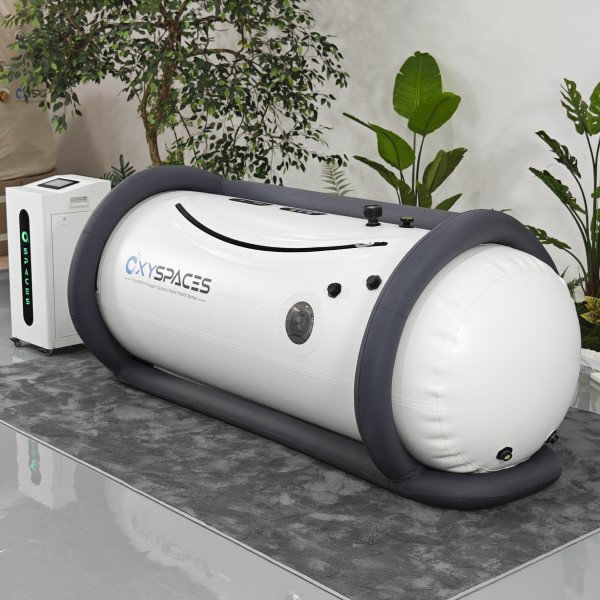
The research of the multi-functional hyperbaric chamber is to facilitate the elderly or disabled with inconvenient legs.
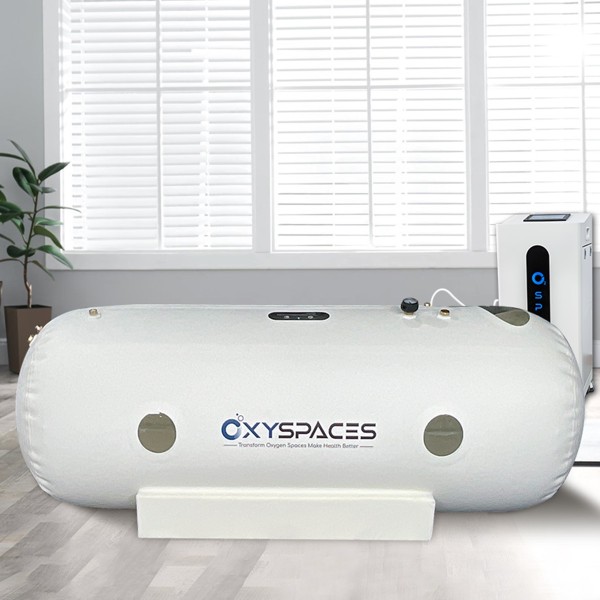
Lying Type Hyperbaric Chamber has circular viewing windows and one oval viewing window for easy communication with the outside
Lying Type Hyperbaric Chamber has circular viewing windows and one oval viewing window for easy communication with the outside
Lying Type Hyperbaric Chamber has circular viewing windows and one oval viewing window for easy communication with the outside