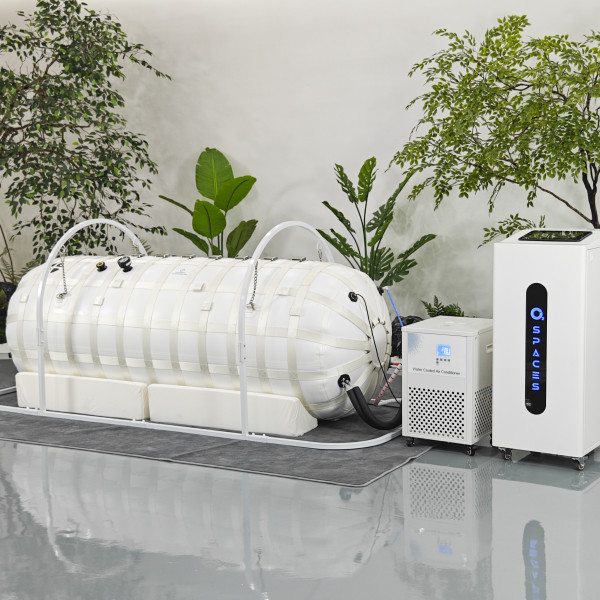
Oxygen: The Core Substance Sustaining Human Life Activities
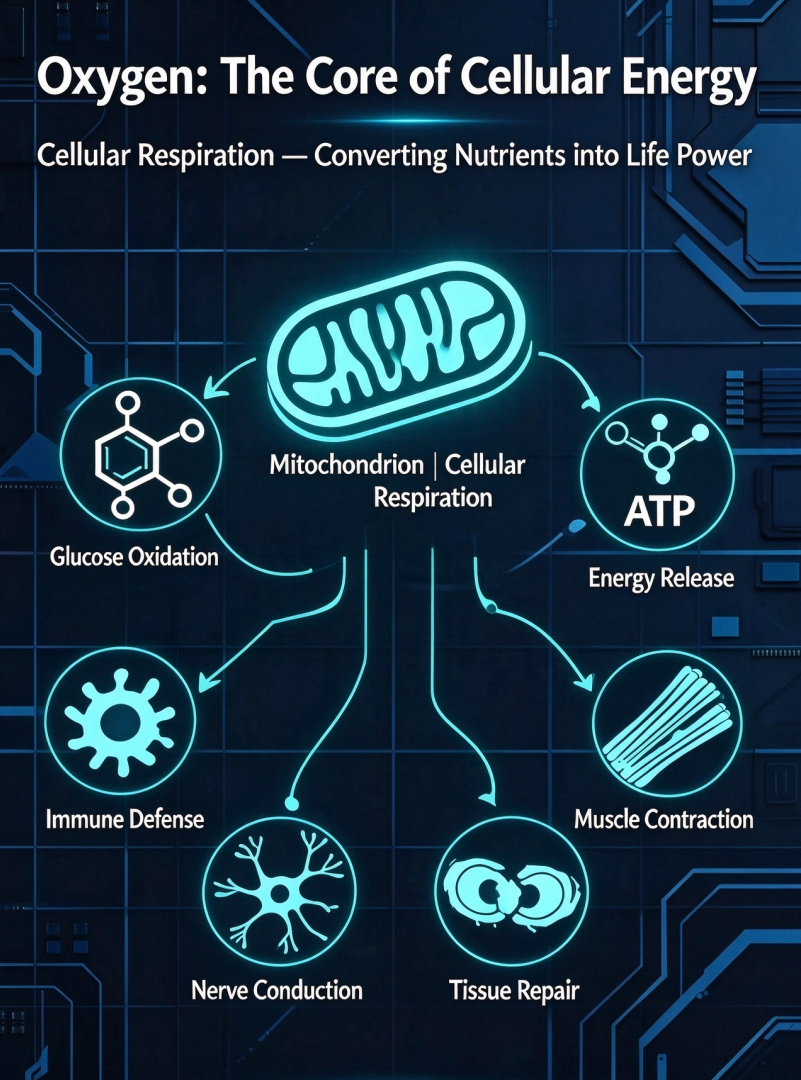
Aerobic respiration is the primary pathway for the human body to obtain energy. As the core site of energy supply, mitochondria rely on oxygen to convert nutrients and produce ATP, which can be directly utilized by the human body. Serving as the final electron acceptor in aerobic respiration, oxygen drives energy production, substance metabolism and cellular repair, and sustains all life activities including nerve conduction, muscle contraction and tissue repair.
I. Participate in Aerobic Respiration and Supply Energy to the Body (Core Function)
Glucose, fats and proteins enter mitochondria for metabolism. Oxygen binds with hydrogen ions to form water, breaks down various nutrients and releases ATP, providing fundamental energy for heartbeat, respiration, physical movement, brain thinking and cellular self-renewal. If the body suffers from insufficient oxygen supply, only inefficient anaerobic respiration can proceed. This metabolic process produces lactic acid, greatly reducing energy output and easily causing physical fatigue. Long-term oxygen deprivation can also lead to cellular damage and necrosis.
II. Maintain Normal Physiological Functions of Major Human Systems
Nervous System
The brain consumes 20%–25% of the body’s total oxygen consumption, and brain cells cannot store oxygen. Adequate oxygen supply maintains normal metabolism of brain cells, supporting memory, thinking ability, emotional stability and sound sleep. The brain is most sensitive to hypoxia. Mild hypoxia causes dizziness, drowsiness, insomnia and slow response, while severe hypoxia triggers irreversible apoptosis of brain cells.
Circulatory System
Cardiac muscle continuously consumes oxygen. Sufficient oxygen preserves myocardial contractility and stabilizes heart rate and blood pressure. Adequate blood oxygen dilates blood vessels, reduces blood viscosity, optimizes systemic microcirculation, alleviates vascular sclerosis and assists in hypertension regulation.
Respiratory System
Gas exchange in alveoli relies on oxygen diffusion into the bloodstream. Adequate oxygen partial pressure maintains normal alveolar tension, relieves airway edema, accelerates the repair of pulmonary inflammation and alleviates discomforts such as cough and asthma.
Endocrine and Metabolic System
Oxygen participates in the synthesis of hormones such as thyroxine and adrenaline. It regulates glucose and lipid metabolism, reduces lipid accumulation and lowers the risk of obesity and hyperlipidemia.
III. Build Immune Barriers, Fight Oxidation and Reduce Inflammation
Immune cells such as leukocytes and macrophages generate reactive oxygen species with oxygen to engulf and kill bacteria and viruses, and clear aged and damaged cells in the body. Insufficient oxygen supply directly weakens immunity and increases the risk of recurrent colds and various infections.
A suitable oxygen environment scavenges excess free radicals, reduces free radical damage to cellular DNA, slows cellular aging, relieves chronic inflammation and improves various sub-health conditions.
IV. Accelerate Tissue Regeneration and Promote Wound Healing
Cell proliferation and collagen synthesis are both oxygen-dependent. Adequate blood oxygen speeds up the repair of skin, mucous membranes and damaged nerves, and facilitates healing of ulcers and traumatic wounds. Under hypoxic conditions, wounds heal poorly and nerve repair stalls, often resulting in numbness and persistent pain.
V. Assist Hepatic Metabolism and Body Detoxification
The liver consumes large amounts of oxygen to break down toxins. Oxygen takes part in the oxidative decomposition of toxins, breaking down harmful substances such as metabolic wastes, alcohol and drug residues for excretion. Hypoxia increases the liver’s metabolic burden, leading to toxin accumulation, physical fatigue and dull skin tone.
VI. Unique Effects of Oxygen Under High-Pressure Conditions (Mechanism of Hyperbaric Oxygen)
Markedly raise blood oxygen partial pressure and rapidly resolve various types of tissue edema;
Inhibit the proliferation of anaerobic bacteria including Clostridium tetani and Clostridium perfringens;
Stimulate the growth of collateral blood vessels and repair ischemic damaged tissues. It applies to cerebral infarction rehabilitation, tinnitus, carbon monoxide poisoning, sports injury recovery and other scenarios.

Transparent Hyperbaric Chamber has a magical shape like a space capsule.
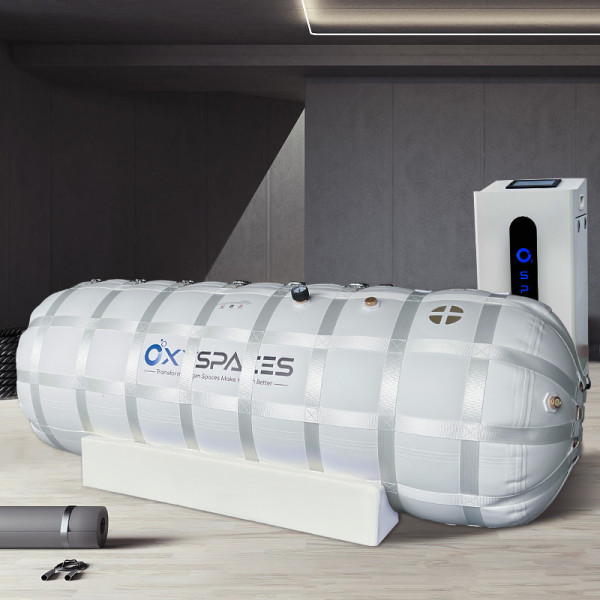
high-pressure oxygen chamber, double Zippers and lock buckle safety

Experience the Quality of OXY SPACES SL-220C Hyperbaric Chambers - Flexible Solutions for Global Clients.

Experience the Quality of OXY SPACES SL240 Hyperbaric Chambers - Flexible Solutions for Global Clients.