Stop Fixating Only on Oxygen Concentration and Flow Rate! The Real Core Indicator of Oxygen Therapy That Most People Get Wrong
# English Translation
Most people who undergo oxygen therapy focus solely on two parameters: oxygen concentration and outlet gas flow rate. Yet these are only surface‑level metrics. The core factor that truly determines whether oxygen therapy works does not lie in these two values at all.
Here is the essential truth: the oxygen concentration you adjust, outlet flow rate, intra‑chamber pressure, and oxygen inhalation duration all converge into one key value — partial pressure of oxygen (PO₂, unit: mmHg). Partial pressure of oxygen is the gold‑standard metric for judging whether oxygen supply to blood and tissues is sufficient. Concentration, flow rate, pressure and duration all serve one purpose: raising partial pressure of oxygen.
## I. Four parameters play distinct, indispensable roles
1. **Fraction of inspired oxygen (FiO₂): merely an intake gas ratio, not equivalent to oxygen absorbed into the bloodstream**
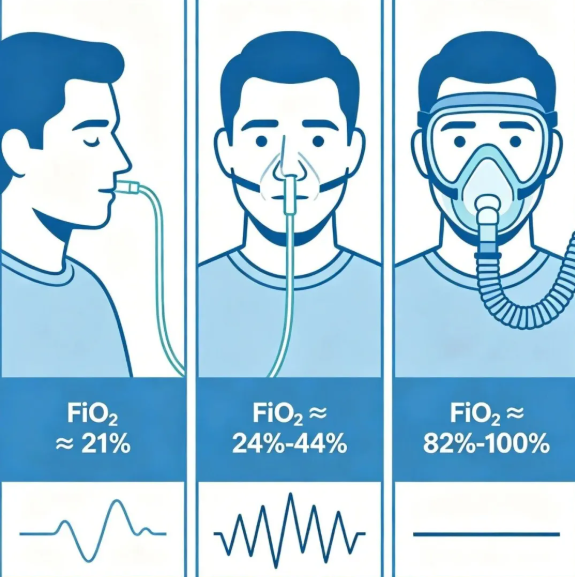
Ambient air consistently contains 21% oxygen. With nasal cannula oxygen delivery at 1‑5 L/min, the inspired oxygen concentration only reaches 24%‑44%, and fluctuates drastically due to mouth‑breathing or mask leakage. A sealed mask or closed‑circuit oxygen delivery system is required to stably hold oxygen concentration between 82%‑100%.
Oxygen concentration only represents oxygen proportion within inhaled gas. It defines intake conditions but cannot guarantee oxygen is successfully taken up into blood.
2. **Oxygen flow rate: only reflects gas supply capacity, and cannot lock in fixed oxygen concentration**
Under nasal‑cannula delivery mode, higher flow brings a modest rise in oxygen concentration, yet readings remain highly unstable. To maintain steady oxygen concentration, leakage must be eliminated with sealing valves and a full mask system. Judging oxygen‑delivery strength purely by flow rate easily leads to misjudgement.
3. **Intra‑chamber ambient pressure: the core advantage of hyperbaric oxygen therapy**
Normal atmospheric pressure equals 1.0 atmosphere absolute (ATA). Hyperbaric oxygen chambers can raise pressure to 1.5‑2.5 ATA. Elevated pressure multiplicatively increases physically‑dissolved oxygen in blood. Even when haemoglobin is fully saturated with oxygen, extra dissolved oxygen can still feed tissues, enabling oxygen delivery independent of red blood cells for short periods.
This is the fundamental reason why hyperbaric oxygen is a medical intervention and cannot be replaced by an over‑sized home‑use oxygen concentrator.
4. **Oxygen inhalation duration: controls oxygen dosage and avoids oxygen toxicity risks**
Oxygen‑therapy dosage = partial pressure of oxygen × oxygen inhalation duration. Prolonged exposure to extremely high PO₂ builds up oxygen toxicity, most commonly manifesting as lung injury. For this reason, standard clinical protocols incorporate intermittent air‑breathing, reduced oxygen concentration and strict limits on pressure‑holding time. Longer oxygen inhalation does not equal better outcomes.
## II. All parameters ultimately target arterial partial pressure of oxygen
There is no need to memorize complex formulas; follow this logical chain:
- Arterial partial pressure of oxygen (PaO₂) is determined by inspired oxygen concentration, pulmonary ventilation‑gas‑exchange function, blood circulation efficiency and ambient pressure.
- Peripheral pulse oxygen saturation reflects the sigmoidal binding curve of haemoglobin and oxygen, and carries notable limitations.
- Actual tissue oxygen supply must further account for microcirculatory resistance and human oxygen consumption.
Key takeaway: Even with maximum oxygen concentration, PaO₂ will fail to rise if pulmonary gas exchange is impaired, cardiac output is insufficient or microcirculation is obstructed. The therapeutic goal is to sustain PaO₂ within a safe range adequate for ischaemic tissues, while preventing damage from prolonged hyperoxia. Chasing maximum‑purity high oxygen concentration blindly is unnecessary.
## III. Clinical reference values for understanding oxygen‑delivery levels
- Normal atmospheric air (21% oxygen): PaO₂ in healthy adults stabilizes at 80‑100 mmHg.
- Breathing pure oxygen at normal pressure: PaO₂ can reach 500‑700 mmHg. Haemoglobin becomes fully saturated, and nearly all incremental oxygen exists as plasma‑dissolved oxygen.
- 2.0 ATA hyperbaric pressure plus pure‑oxygen inhalation: PaO₂ exceeds 1000 mmHg. Plasma‑dissolved oxygen rises sharply, enough to support basal tissue metabolism. This physical principle underpins hyperbaric oxygen’s ability to treat critical hypoxic conditions.
Also avoid the pulse‑oximetry trap: Readings above 94% only indicate acceptable arterial oxygen levels. Normal oxygen saturation does not rule out peripheral tissue ischaemia. For patients with vascular stenosis or microcirculatory disorders, finger‑tip oxygen saturation poorly reflects true tissue hypoxia. Oxygen therapy should never rely solely on pulse oximeter readings.
## IV. Three oxygen‑delivery scenarios: choose rational protocols
1. **Home‑based normobaric oxygen therapy**: Do not arbitrarily crank up oxygen concentration. Maintain finger‑tip saturation steadily at 94%‑98%, and use the lowest effective flow rate to meet targets.
2. **Sealed saturated oxygen inhalation**: Closed‑circuit hardware eliminates leakage to stably boost inspired oxygen concentration. Still constrained by pulmonary function issues and carbon dioxide retention.
3. **Clinical hyperbaric‑oxygen chamber therapy**: Combines elevated pressure and high oxygen concentration to drastically lift PaO₂. This is a formal medical procedure. Strict adherence to indications, contraindications and full pressurization, pressure‑hold and decompression workflows is mandatory. Self‑administered operation is prohibited.
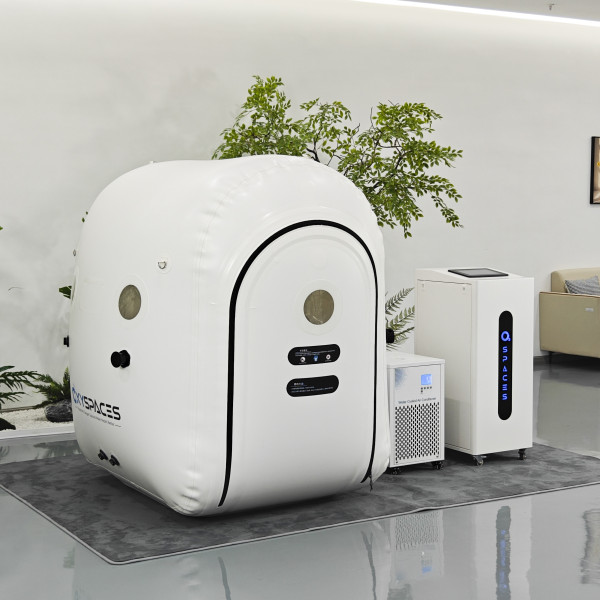
The research of the multi-functional hyperbaric chamber is to facilitate the elderly or disabled with inconvenient legs.
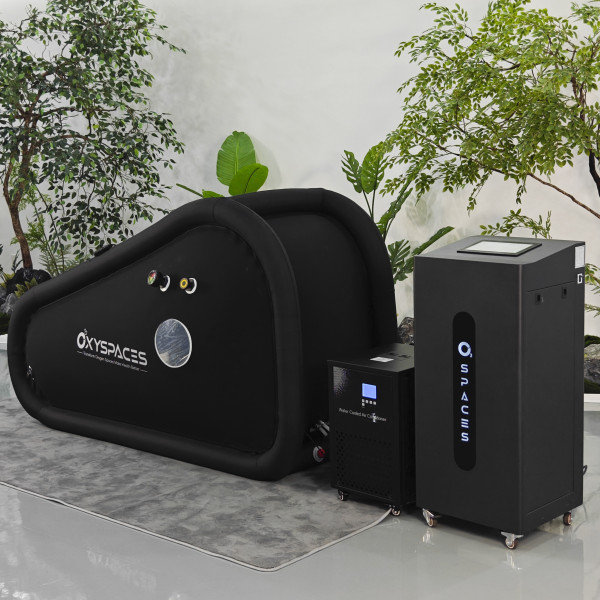
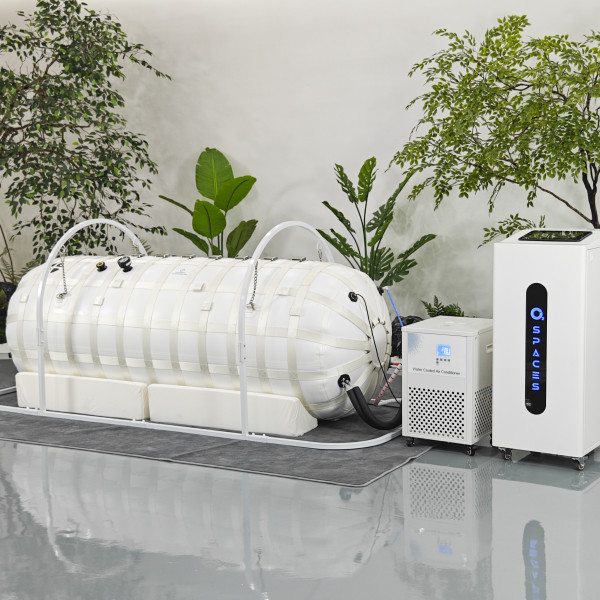
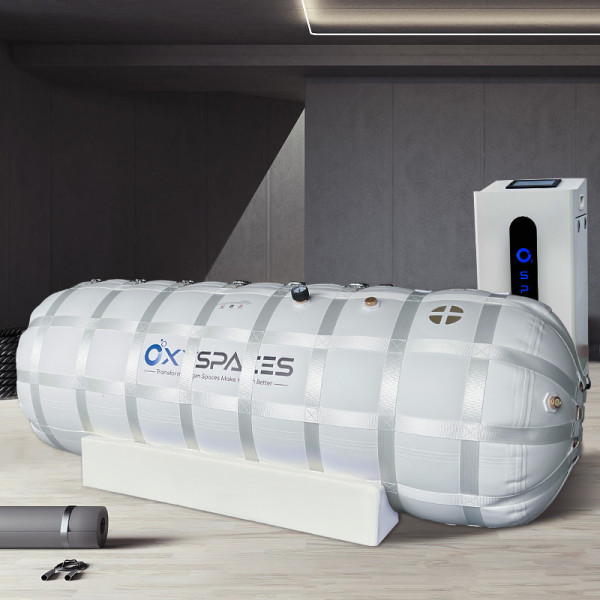
Experience the Quality of OXY SPACES S-190C Hyperbaric Chambers - Flexible Solutions for Global Clients.
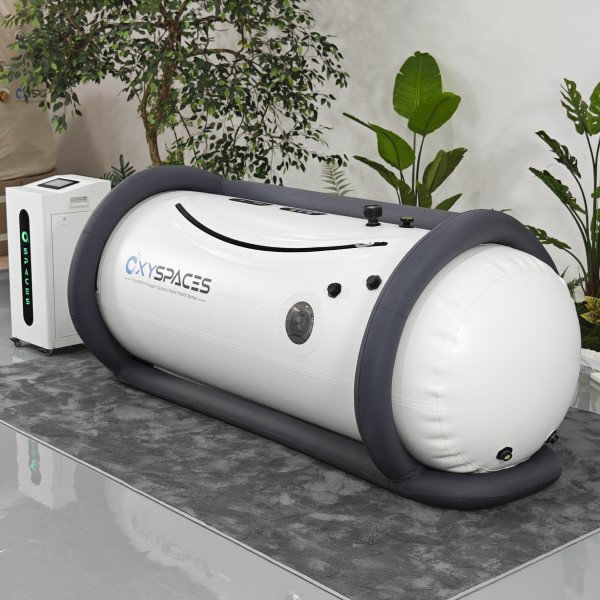
Lying Type Hyperbaric Chamber has circular viewing windows and one oval viewing window for easy communication with the outside
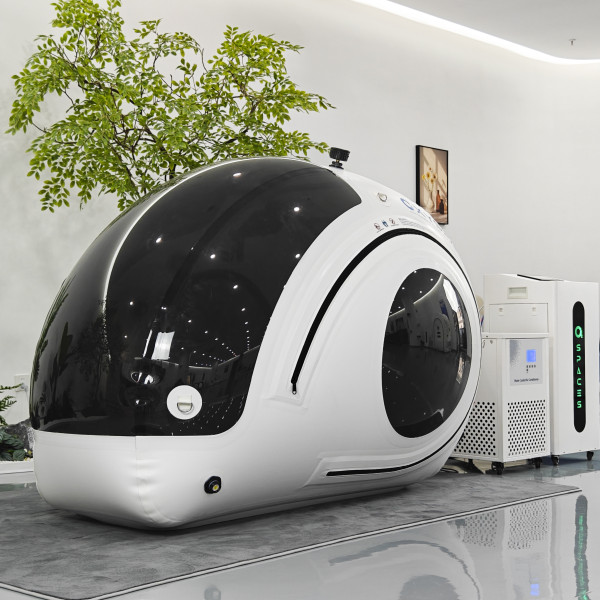
Transparent Hyperbaric Chamber has a magical shape like a space capsule.