he Secret to Superior Fitness Performance at the World Cup: Beat Sports Hypoxia in Football with OXYSPACES Mild Hyperbaric Oxygen Chambers for Rapid Physical Recovery

The 2026 FIFA World Cup in the US, Canada and Mexico is in full swing. Every 90-minute high-intensity match on the pitch is an ultimate test of stamina, explosive power and physical recovery capacity. Constant sprints, fierce physical duels and non-stop running place players under extreme oxygen depletion, making sports hypoxia a core factor that undermines athletic performance and slows post-match recovery. From elite superstars like Neymar and Haaland relying on this cutting-edge recovery tech to national teams equipping their training grounds with oxygen therapy gear, mild hyperbaric oxygen chambers have become a vital tool for footballers to overcome hypoxia and sustain peak competitive form. OXYSPACES mild hyperbaric oxygen chambers bring professional pitch-side oxygen therapy solutions to everyday users.
01 Sports Hypoxia Is Unavoidable for All Football Players
Football is a typical high-intensity intermittent aerobic sport. Constant sprints, sudden direction changes and physical clashes send muscle oxygen consumption soaring. When oxygen supply fails to keep up with demand, football-specific sports hypoxia sets in.
Typical Symptoms of Sports Hypoxia in Football
Mid-game fitness collapse: Shortness of breath, loss of acceleration, frequent cramping, slowed passing and movement decision-making, and inability to keep up with key duels in the second half.
Post-match muscle soreness: Anaerobic metabolism builds up lactic acid, causing persistent aching in the thighs, calves and core, with stabbing pain with every step the next day.
Sustained cardiorespiratory overload: Elevated heart rate throughout the match, followed by palpitations, shortness of breath, dizziness and fatigue. Insufficient oxygen supply to the brain drastically reduces focus.
Recurring sports injuries: Chronic hypoxia slows the repair of micro-tears in muscle fibers, extending recovery periods for muscle strains and soft tissue inflammation.
The World Cup features a tight, condensed match schedule, with teams competing every three days in back-to-back fixtures. Sustained hypoxia and fatigue place continuous strain on the heart, raising risks of on-pitch errors, arrhythmia, chronic muscle strain and weakened immunity. Rapid oxygen replenishment and efficient recovery have thus become a hidden key to tournament success.
02 Traditional Recovery Methods Have Obvious Shortcomings, Unsuitable for Dense World Cup Fixtures
Faced with post-game hypoxia and exhaustion, conventional recovery methods used by professionals and amateur players carry prominent limitations:
Light activity and stretching: Slow jogging and stretching only mildly boost superficial blood circulation, failing to resolve deep muscle hypoxia. Their recovery efficiency is far too low for packed tournament schedules.
Ice therapy and massage: These only temporarily relieve soreness, unable to speed up lactic acid breakdown or repair damaged muscle cells, slowing the reduction of inflammation and swelling.
Nutritional supplements and pharmaceutical aids: Vasodilating drugs carry side effects and merely assist blood circulation. They cannot fundamentally boost systemic blood oxygen reserves, offering limited relief for hypoxia from high-intensity exercise.
Standard recovery tactics only address surface symptoms rather than root causes, failing to meet the demand for rapid physical recovery among professional athletes and amateur footballers alike. Backed by robust sports medicine research, hyperbaric oxygen therapy has been globally recognized within football as a highly effective recovery solution.
03 The Same Recovery Tech Used by World Cup Stars: OXYSPACES Mild Hyperbaric Oxygen Chambers Target Football-Related Sports Hypoxia
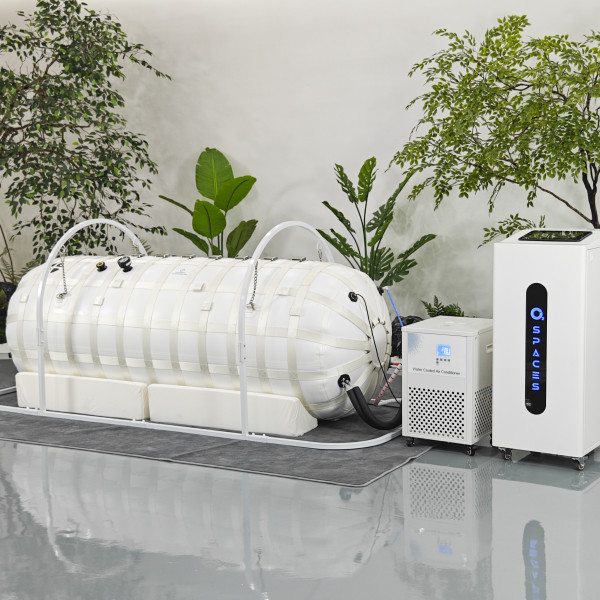
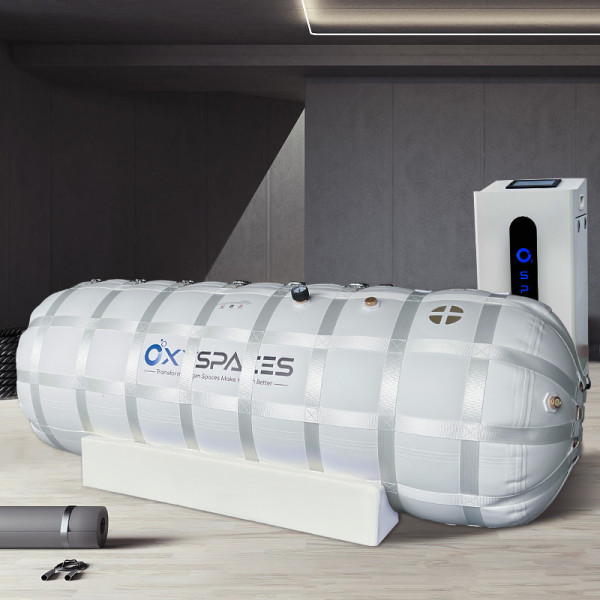
Hyperbaric oxygen therapy involves breathing high-concentration oxygen in an environment above standard atmospheric pressure. OXYSPACES mild hyperbaric oxygen chambers feature gentle low-pressure design, safe for daily use by professional footballers and amateur players, replicating the oxygen therapy equipment deployed at national team training bases. Six core mechanisms resolve hypoxia from football exertion:
Greatly boost systemic blood oxygen reserves to eliminate mid-game fatigue
Conventional oxygen intake relies solely on oxygen carried by hemoglobin. The mild hyperbaric environment of OXYSPACES dissolves large volumes of oxygen directly into blood plasma, bypassing the transport limit of red blood cells. Oxygen reaches high-load muscle groups including thighs, calves and the core. Pre-match sessions build bodily oxygen reserves, preventing fatigue-induced slumps in the second half and sustaining sprinting and tackling stamina.
Accelerate lactic acid metabolism to ease post-game muscle soreness instantly
Lactic acid buildup after football matches is the primary source of muscular ache. Mild hyperbaric oxygen enhances cellular oxygen utilization, curbing anaerobic metabolism and speeding up the oxidative breakdown and excretion of lactic acid. Resting in the chamber after a match drastically shortens the duration of muscle soreness, eliminating days of limited mobility.
Improve systemic microcirculation and repair micro-tears from physical contact
Tackles and collisions frequently cause tiny ruptures in muscle fibers, whose repair process stalls under hypoxic conditions. OXYSPACES oxygen chambers dilate capillaries across the body, boosting blood and oxygen flow to muscle extremities to accelerate muscle cell regeneration. This reduces muscle strain and chronic injury risks for frequent footballers.
Reduce post-exercise inflammation and swelling to cut injury recovery time
Sliding tackles and physical clashes lead to soft tissue bruising and joint swelling. High-oxygen environments suppress inflammatory factor release and constrict blood vessels to reduce fluid buildup and edema. Mild muscle strains and soft tissue injuries treated with oxygen therapy see recovery times nearly halved, ideal for quick returns to play amid packed World Cup schedules. This is also Messi and Haaland’s go-to routine for injury maintenance.
Nourish the brain with oxygen to sharpen on-pitch judgment and reaction speed
Football relies heavily on split-second tactical decisions and defensive/offensive reflexes, with the brain consuming over 20% of the body’s total oxygen supply. Hypoxia causes slow thinking, missed marking and sloppy passing. Continuous oxygen delivery via OXYSPACES stabilizes concentration, enabling clearer decision-making amid intense duels and consistent on-pitch performance.
Strengthen immune function to avoid burnout and illness during consecutive fixtures
Prolonged high-intensity hypoxia suppresses immune cell activity, leaving athletes prone to fatigue and colds during back-to-back matches. Oxygen-rich environments activate white blood cell activity, boosting the body’s anti-inflammatory and antiviral defenses to maintain stable physical condition through heavy training and match cycles.
04 Not Just for Professional Stadiums — Oxygen Therapy Spaces Tailored for Amateur Footballers
Major national team training facilities at the World Cup are fully equipped with professional hyperbaric oxygen chambers. Legendary players including Messi, Cristiano Ronaldo and David Beckham integrate oxygen chamber sessions into their post-match recovery routines to sustain elite athletic form. OXYSPACES mild hyperbaric oxygen chambers break down barriers to professional-grade equipment, creating lightweight oxygen therapy units for home or commercial venue use. They require no complex medical operation and deliver gentle, comfortable pressure, catering to three key groups:
Amateur football enthusiasts: After weekend casual matches or league games, unwind in the chamber to rapidly eliminate leg soreness without disrupting daily work and life.
Youth football trainees: Long training hours trigger persistent hypoxic fatigue. Gentle oxygen supplementation from OXYSPACES supports muscular and skeletal development while lowering sports injury risks.
Football coaches and retired players: Years of intense training lead to recurring old injuries. Regular oxygen therapy alleviates chronic strain and protects cardiorespiratory function.
Unlike heavy-duty hospital hyperbaric oxygen chambers, OXYSPACES mild hyperbaric oxygen chambers deliver a far more pleasant experience with quiet, tranquil interiors. After draining football sessions, users relax inside while receiving deep oxygen replenishment, combining rest and physical repair in one session.
Closing Thoughts
Football rewards natural talent, yet scientific recovery is equally critical. Every brilliant goal at the World Cup stems from years of grueling training and rigorous physical management. Sports hypoxia is an unavoidable hurdle for all football lovers, while traditional recovery methods yield limited results. Supported by solid sports medicine principles, mild hyperbaric oxygen therapy has emerged as game-changing recovery technology within football.
OXYSPACES mild hyperbaric oxygen chambers bring the oxygen therapy technology favored by World Cup professionals into everyday life. They deliver an all-in-one solution to football-related hypoxia, boosting match endurance, accelerating post-game recovery, repairing sports injuries and protecting cardiorespiratory and immune health. Whether you are a professional player chasing World Cup glory or an amateur passionate about the beautiful game, harness oxygen therapy technology to escape hypoxic fatigue and enjoy football for years to come.